A nursery is more than a room prepared for a new baby. It is the first space a child will call their own, and it can become a reflection of the family they are joining. For many parents, creating a nursery is an opportunity to think about the traditions, objects, and memories they hope to pass down to the next generation. This is one reason the Grandmillennial nursery has become such a beautiful approach to nursery design. Rather than relying on minimalist trends or matching furniture sets, Grandmillennial style embraces traditional design, nostalgia, pattern, family history, and personal details.
The perfect Grandmillennial nursery should feel collected rather than coordinated. It should combine old and new, elegant and whimsical, practical and sentimental. Most importantly, it should tell the story of the family welcoming this new little person into the world. With that philosophy in mind, there are ten key elements that can help create a Grandmillennial nursery that feels timeless and deeply personal.
Table of Contents
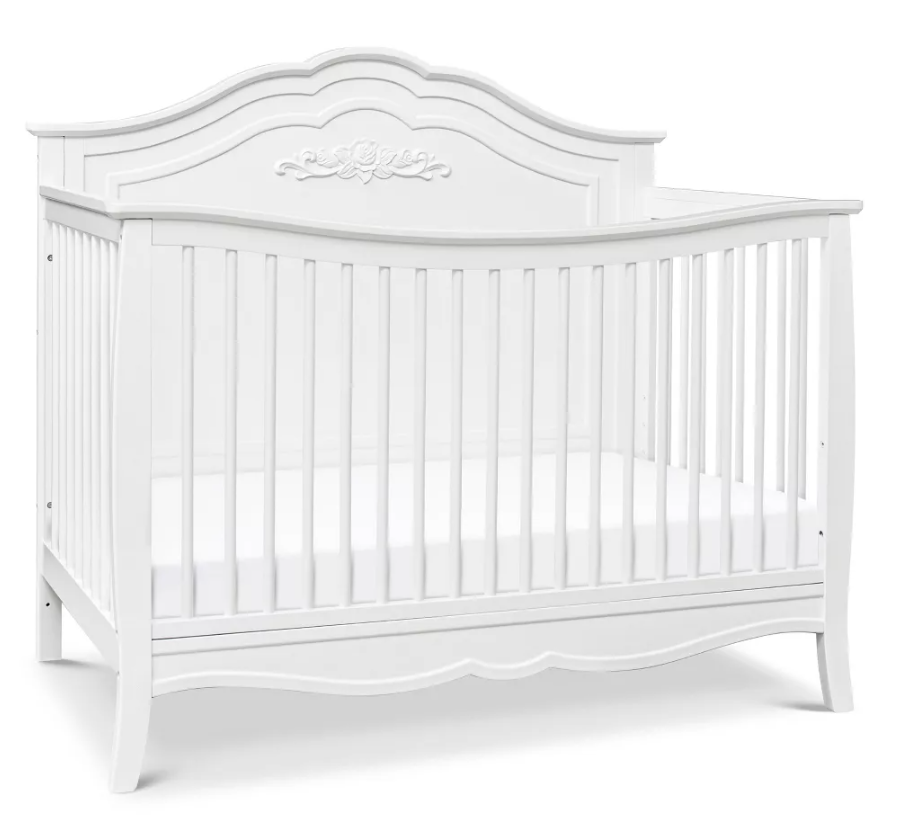
1. Begin With Traditional Furniture
The foundation of a Grandmillennial nursery should be traditional furniture with classic silhouettes. A spindle crib, wooden dresser, upholstered rocking chair, or traditional bookshelf can establish a timeless foundation for the room.
Rather than purchasing every piece as part of one matching collection, consider combining different styles and finishes. A new crib can sit beside a vintage dresser, while a traditional chair can be paired with a modern changing table. This combination makes the nursery feel collected over time and allows the room to evolve with the family.
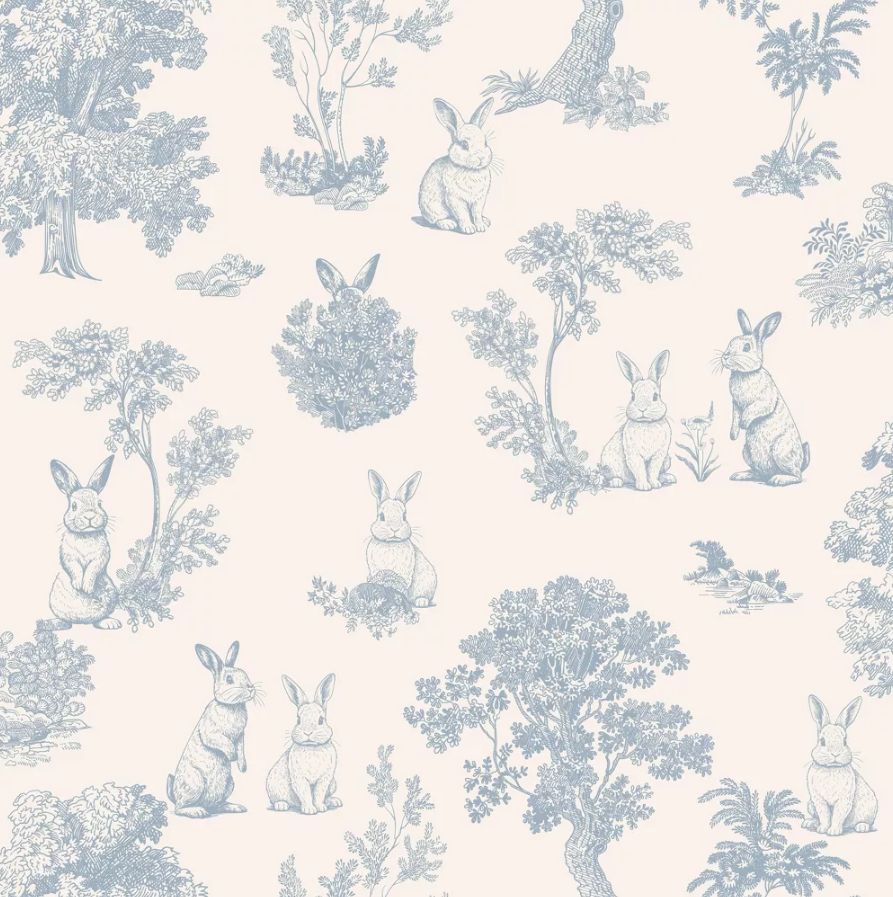
2. Embrace Playful Wallpaper
Wallpaper is one of the most recognizable elements of a Grandmillennial nursery. Traditional florals, botanical prints, vines, and garden-inspired patterns can immediately give the room a sense of romance and history.
The right wallpaper can also establish the color palette for the entire nursery. Soft greens, blues, creams, pinks, and yellows work particularly well with the traditional aesthetic. Instead of choosing wallpaper simply because it is currently popular, parents should choose a pattern they will still enjoy seeing years from now.
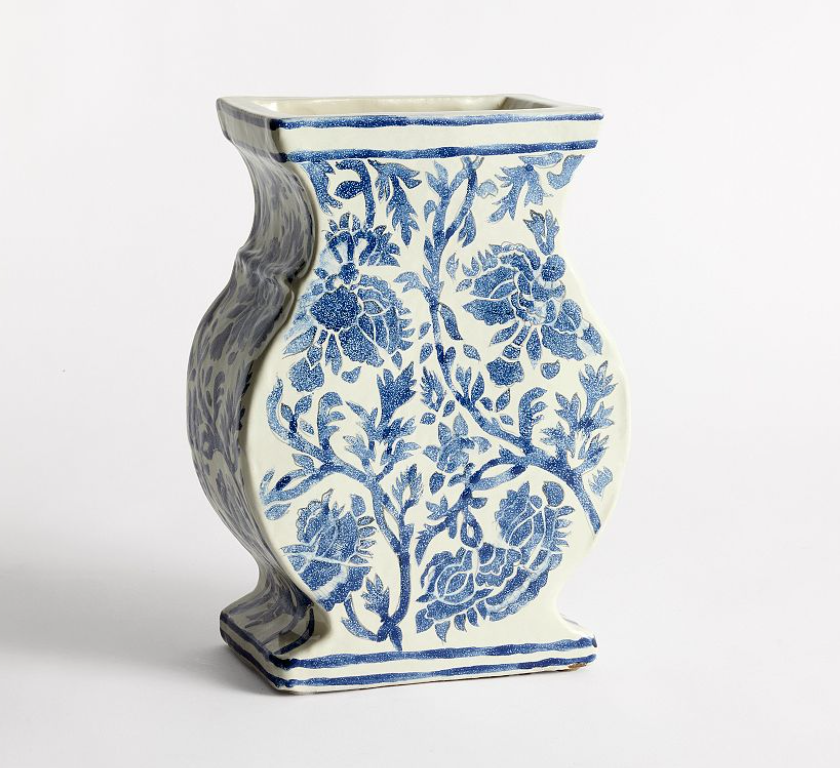
3. Incorporate Chinoiserie
Chinoiserie is another classic element that works beautifully in Grandmillennial design. A chinoiserie cabinet, garden stool, lamp, mirror, or collection of blue-and-white porcelain can add visual interest while maintaining the traditional character of the room.
The goal is not to make every element match a particular theme. Instead, chinoiserie can be layered with florals, stripes, antiques, and traditional furniture. This creates a nursery that feels thoughtfully collected rather than overly decorated.
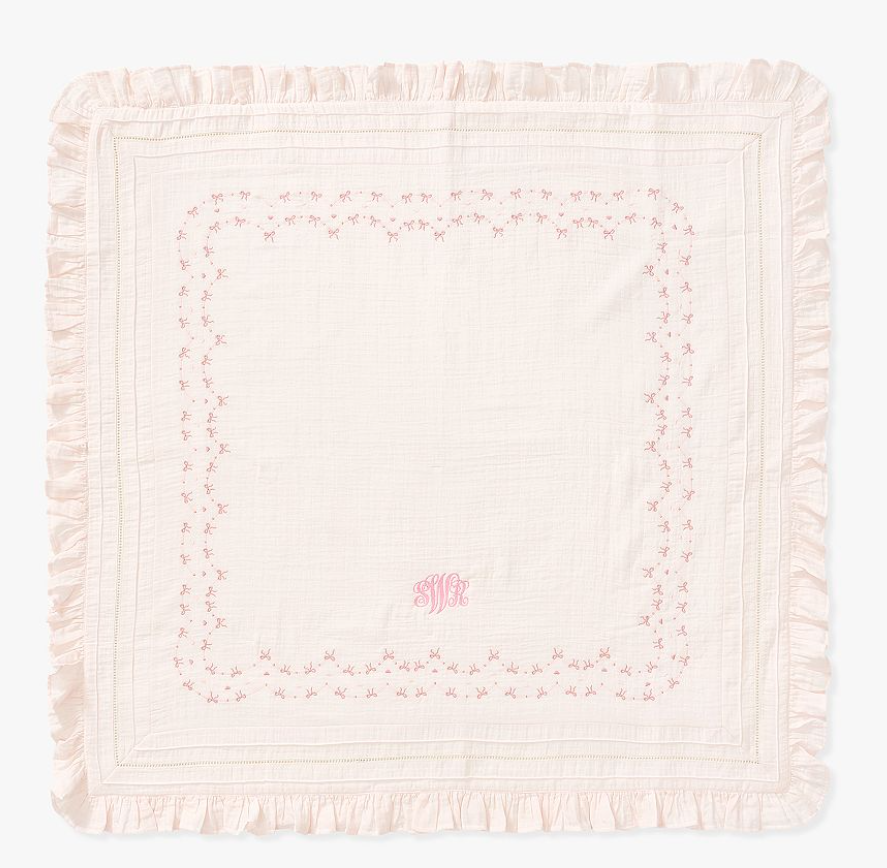
4. Add a Family Crest or Monogram
Personalization is an important part of creating a meaningful nursery. A family crest or monogram can give the room a strong sense of identity while connecting the newest member of the family to their heritage.
A baby’s initials might be embroidered onto a pillow or blanket, incorporated into artwork, or displayed above the dresser. A family crest can also be framed and placed somewhere prominent.
These details are more than decorative. They quietly communicate a sense of belonging and remind us that a child is entering a family with its own history and traditions.
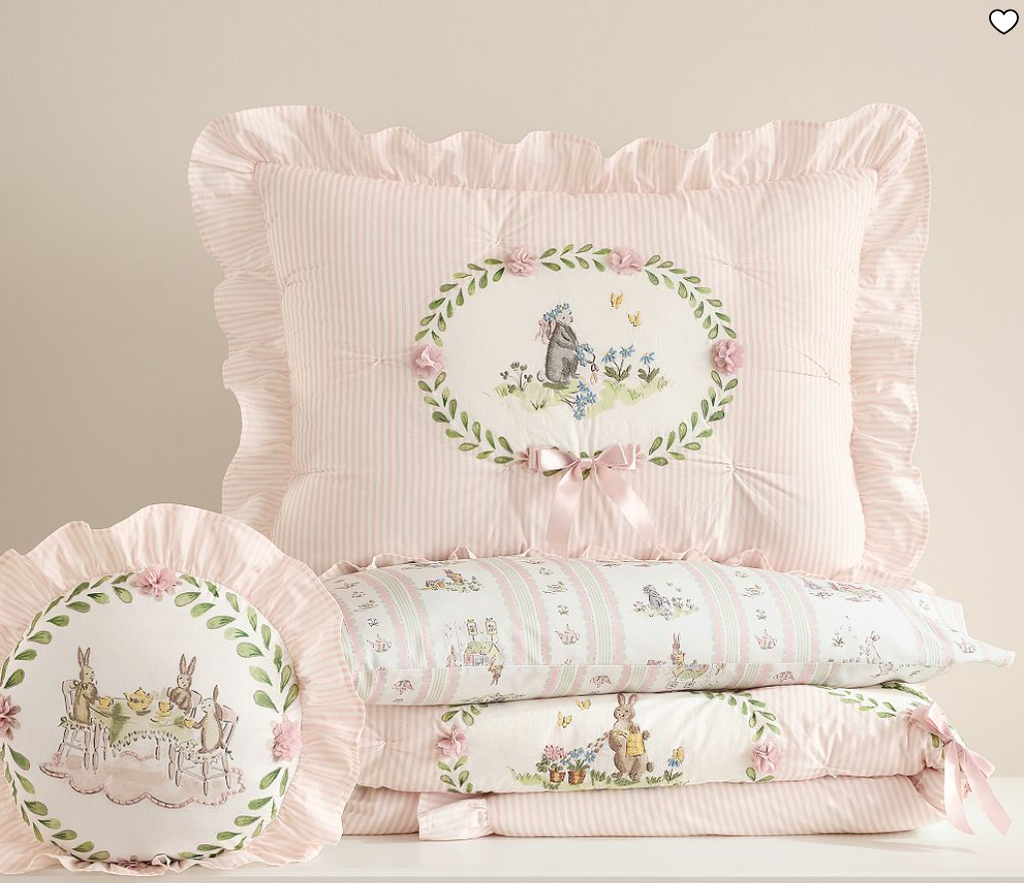
5. Add Bows, and Then Add a Few More
Bows are a playful way to incorporate the softer, more whimsical side of Grandmillennial design. They can be used on curtains, lampshades, pillows, blankets, furniture, or even artwork.
While bows may seem like a small decorative detail, they can completely change the personality of a room. Used alongside traditional furniture and floral fabrics, they create a nursery that feels charming without becoming overly formal.
For parents who love feminine details, there is really no need to be shy about them. A Grandmillennial nursery is allowed to have a little personality.
6. Layer Different Patterns
One of the defining characteristics of Grandmillennial style is the use of pattern. Rather than selecting one print and repeating it throughout the entire room, combine several patterns that share a similar color palette.
Florals can be paired with gingham, stripes, toile, or botanical prints. The patterns do not need to match exactly. In fact, the slight differences are what make the room feel collected and interesting.
The key is balance. If the wallpaper is particularly detailed, simpler fabrics can help create visual breathing room. If the walls are relatively quiet, patterned curtains or upholstery can become the focal point.
7. Display Family Photographs
Family photographs are essential to creating a meaningful Grandmillennial nursery because they connect the child to the generations who came before them.
Photographs of parents, grandparents, great-grandparents, siblings, and other family members can be displayed throughout the room. Wedding photographs, childhood portraits, and old family snapshots can all become part of the nursery’s visual story.
Your heritage and family story are essential to the person your little one will someday become. Long before a child understands their family history, they can grow up surrounded by reminders that they belong to something larger than themselves.
A photograph on the wall can eventually become a conversation.
Who is that?
That’s your grandmother when she was little.
That’s your great-grandfather.
That’s where our family came from.
In this way, the nursery becomes more than a beautiful room. It becomes a place where family history is visible.
8. Create a Beautiful Collection of Books
Books are another meaningful way to bring tradition into a Grandmillennial nursery. Instead of treating books as purely functional objects, choose editions that are beautiful enough to display.
Classic children’s literature, fairy tales, poetry, and favorite childhood stories can fill the shelves. Parents might also include books that were read to them when they were young.
A nursery library can therefore become another connection between generations. The books that once belonged to the parents can eventually become the books they read to their own children.
9. Bring the Garden Indoors
Grandmillennial style draws heavily from traditional gardens, making botanical elements a natural addition to the nursery. Floral artwork, botanical prints, fresh flowers, landscape paintings, and garden-inspired textiles can all bring this feeling indoors.
The goal is not to make the nursery look like a literal garden. Instead, these elements can create the softness and romance associated with one.
A room filled with natural motifs can also feel particularly peaceful, which is valuable in a space designed for feeding, rocking, reading, and eventually putting a very energetic toddler down for the night.
10. Choose Meaning Over Perfection
The final and perhaps most important principle of designing a Grandmillennial nursery is to prioritize meaning over perfection.
The room does not need to look as though it came directly from a catalog. Some of the most beautiful details may be things that cannot be purchased at all: an antique passed down from a grandparent, a quilt made by a family member, a childhood book, or a photograph that has been treasured for decades.
A nursery should be beautiful, but it should also be lived in.
There will be toys on the floor, laundry in the corner, books pulled from their shelves, and eventually fingerprints on everything. That doesn’t diminish the beauty of the room. It is evidence that the room is being used for its most important purpose: raising a child.
That’s how you put together a grandmillennial nursery
The appeal of the Grandmillennial nursery ultimately extends beyond interior design. It is an opportunity to create a physical expression of family, heritage, and tradition. Traditional furniture, floral wallpaper, chinoiserie, monograms, bows, layered patterns, family photographs, books, and botanical details can all contribute to the aesthetic, but the most meaningful element will always be the story behind them.
A nursery should remind a child that they belong.
The family photographs on the wall tell them where they came from. The monogram tells them who they are. The heirlooms connect them to previous generations, while the books and traditions carried forward give them something to pass along someday.
Trends will inevitably change, but a room built around family and memory can remain meaningful for generations.
That is what makes the Grandmillennial nursery so special. It isn’t simply a beautiful place to welcome a baby. It is the first chapter of a family story, thoughtfully written into the walls of home.
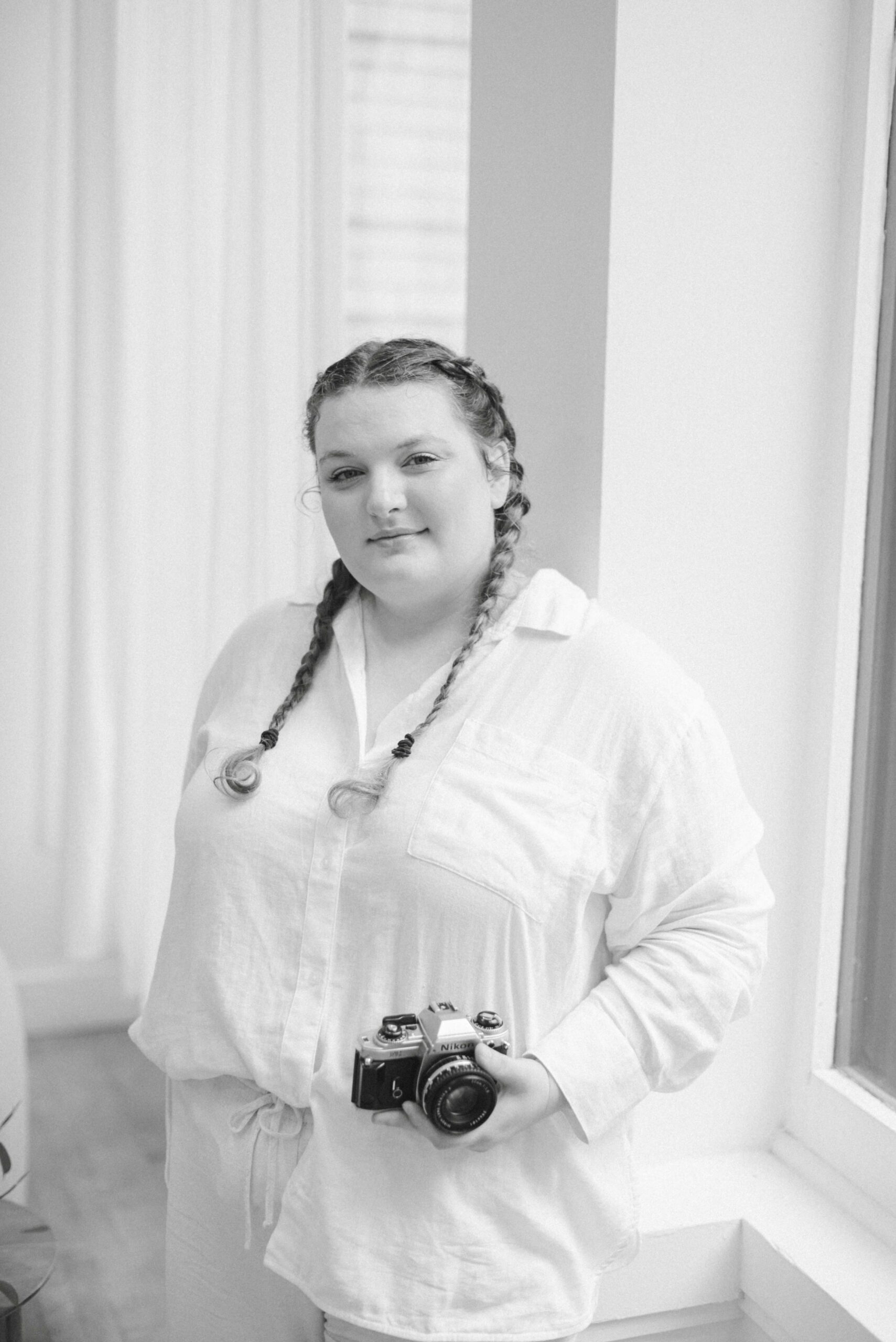
Mercae is a Grandmillennial-inspired, East Coast-influenced Seattle maternity and newborn photographer creating timeless portraits for mothers who want to fill their homes with their family’s story. Inspired by Bridgerton novels, the collected beauty of Grandmillennial style, and the magic of ballet, her work carries a metaphorical soundtrack of Tchaikovsky, blending romance, nostalgia, and refined simplicity into photographs made to be held, displayed, and passed down.


